

ADI-R
Clinical interview supporting autism diagnosis for parents or caregivers of children or youth with suspected ASD.
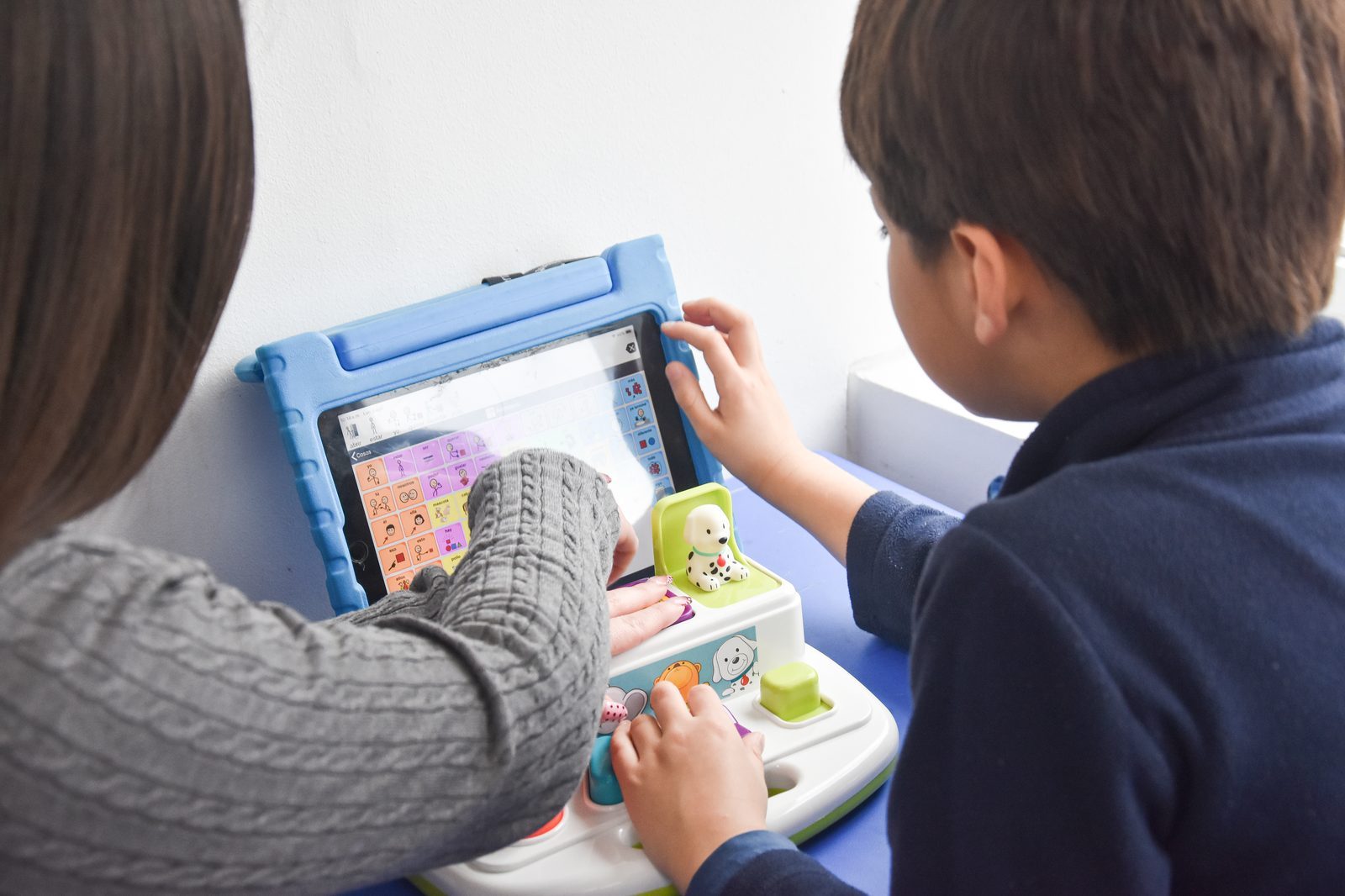
It begins with the Developmental Estimation Scale (TAEO E.E.E) to assess the child’s or youth’s development and understand their reality and contexts.
This first evaluative step is essential according to our experience and the international scientific evidence that supports it.
Based on the TAEO E.E.E results, we design the best possible action plan, tailored to each child or youth in a contextualized and relevant way.
That plan leads to the planning and development of activities through our psychoeducational programs and therapeutic services.
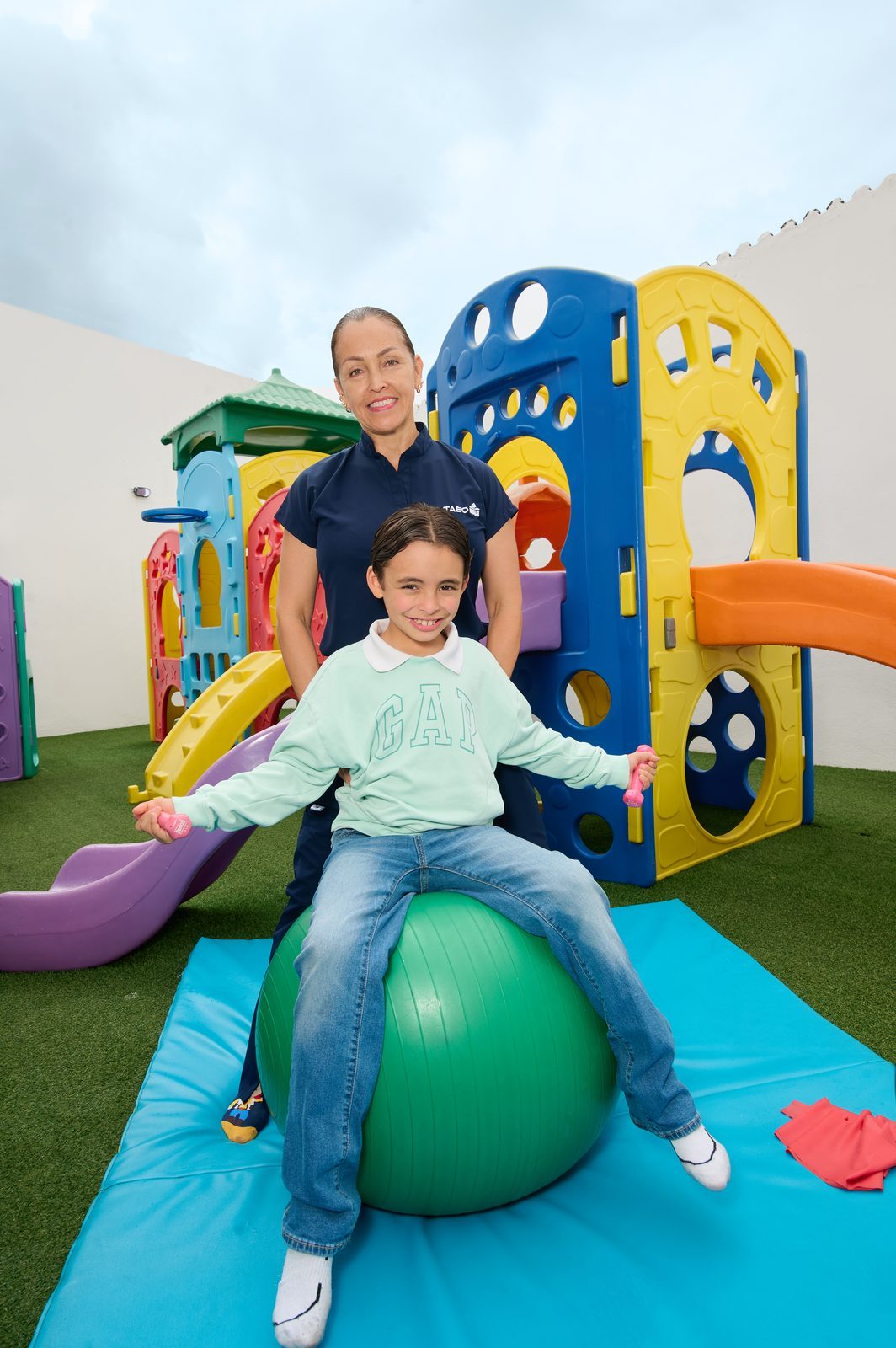
What it includes:
To gather and systematize information about history, previous evaluations and care, routines and self-determination, feeding, sensory processing, socialization, and behavior in general.
Through the TAEO Developmental Estimation Scale (E.E.E) to assess language, cognition, moral development, autonomy, psychomotor, socioaffective and sexual aspects; as well as sensory processing and behaviors compatible with a possible diagnosis.
Through charts that show the average development reached for current age, by year and developmental aspect; together with a psychoeducational and/or therapeutic action plan with school and home support strategies.
If families express concern and/or warning signs related to a diagnosis such as ASD appear, we carry out the corresponding diagnostic evaluations:
Clinical interview supporting autism diagnosis for parents or caregivers of children or youth with suspected ASD.
Observation schedule for autism diagnosis focused on communication, social interaction, play, and imaginative use of materials.
Tool for early dyslexia detection and differential diagnosis, including phonological, short-term verbal memory, and lexical items.